

EU Battery Regulation
EU Battery Regulation
Since 18 February 2024, new EU-wide regulations have been in force for all types of batteries – the EU Battery Regulation.
Article 74 of the Battery Regulation governs the obligation to provide certain information on waste prevention and the management of used batteries. As a manufacturer of vehicles and other products that contain batteries, we are happy to comply with this obligation.
We have compiled all the important information on the new EU Battery Regulation, your rights and obligations, and our free services for you: in particular, on the care, return and disposal of batteries in your Porsche products.
Your role as an end user
Good Practices for Waste Prevention
By adopting best practices and exploring opportunities for battery reuse and recycling, end users can contribute significantly to waste prevention. These actions help extend battery lifespan, reduce the demand for new batteries, and minimize environmental impacts.
Proper use and care of batteries
To maximize the lifespan of batteries, it is important to follow recommended usage guidelines. For portable batteries, this includes avoiding extreme temperatures, preventing exposure to moisture, and storing them in a cool, dry place, as well as regularly cleaning battery contacts. For traction and starter batteries, refer to the specific owner’s manual of your vehicle for detailed information on proper usage and care.Optimised charging
Proper charging can greatly extend battery life. Follow manufacturer’s instructions regarding charging times and methods, and avoid overcharging, as it can impair battery capacity. Using the correct charger and preventing charging interruptions help maintain battery performance. Further charging instructions for traction and starter batteries can be found in the corresponding owner’s manual of your vehicle.Exploration of Reuse Opportunities
End users should actively seek ways to extend battery usage, such as repurposing rechargeable portable batteries for compatible devices. For information on reuse possibilities for traction or starter batteries, end customers can contact a Porsche Partner or a qualified third-party provider.
Proper disposal and recycling
The improper disposal of used batteries can endanger the environment and human health, as they contain hazardous substances. Both non-rechargeable and rechargeable batteries contain valuable raw materials that can be reused through recycling.
To ensure proper treatment and recovery, end-users are legally required to dispose of used batteries separately from other types of waste. Designated collection points or recycling systems are available for this purpose, where used batteries can be disposed of safely and free of charge. End users should use these facilities to ensure responsible disposal and to promote the recovery of materials from batteries. This also applies to batteries that are installed in devices and can be easily removed by the end user.
As a distributor of products containing batteries, we are obliged to take back waste batteries. Please contact the following offices for this purpose:
For waste portable batteries:
Please contact your point of contact at your Porsche Centre for specific information on the return and disposal of waste portable batteries.
For starter and traction batteries:
Your contact at your Porsche Centre will also be happy to provide you with information on the return and disposal of starter and traction batteries.
The free-of-charge return of batteries by end users includes the following costs being borne by the manufacturer:
Costs for the separate collection of waste batteries, including transport and treatment, taking into account any revenues from preparing for reuse or repurposing or from the value of secondary raw materials obtained from recycled waste batteries.
Costs of conducting a household waste composition study to analyse the amount of waste batteries incorrectly disposed of in household waste.
Costs of disseminating important information on waste battery prevention and management to all relevant stakeholders.
Costs of gathering and transmitting all required information to the relevant authorities.
Labelling and symbols
On batteries
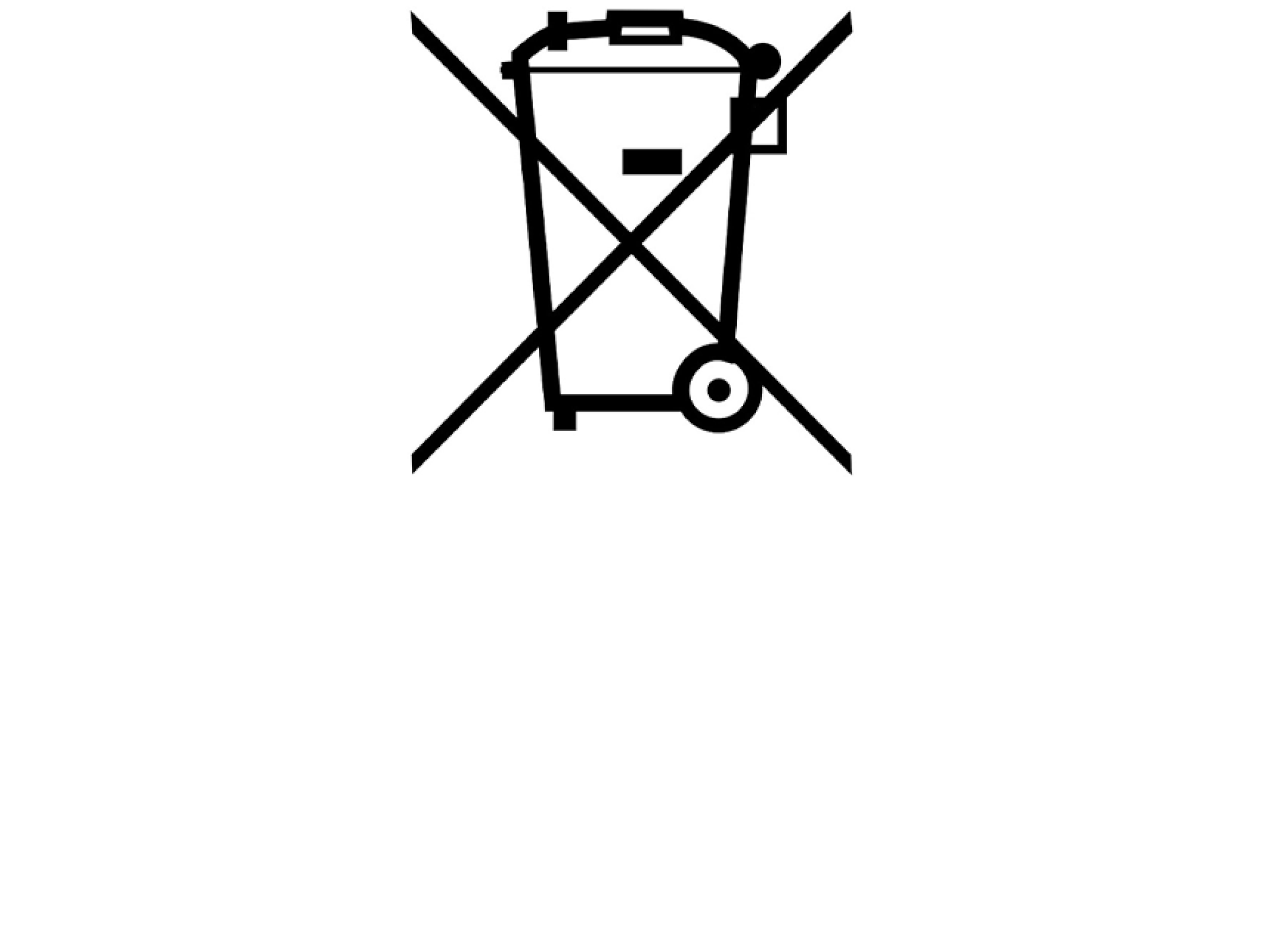
Crossed-out bin
The crossed-out bin symbol means that batteries should not be disposed of in household waste, but taken to special collection points.
If batteries are disposed of in household waste, they can end up in landfills where toxic substances can leak into the soil and groundwater.
Symbols for cadmium and lead
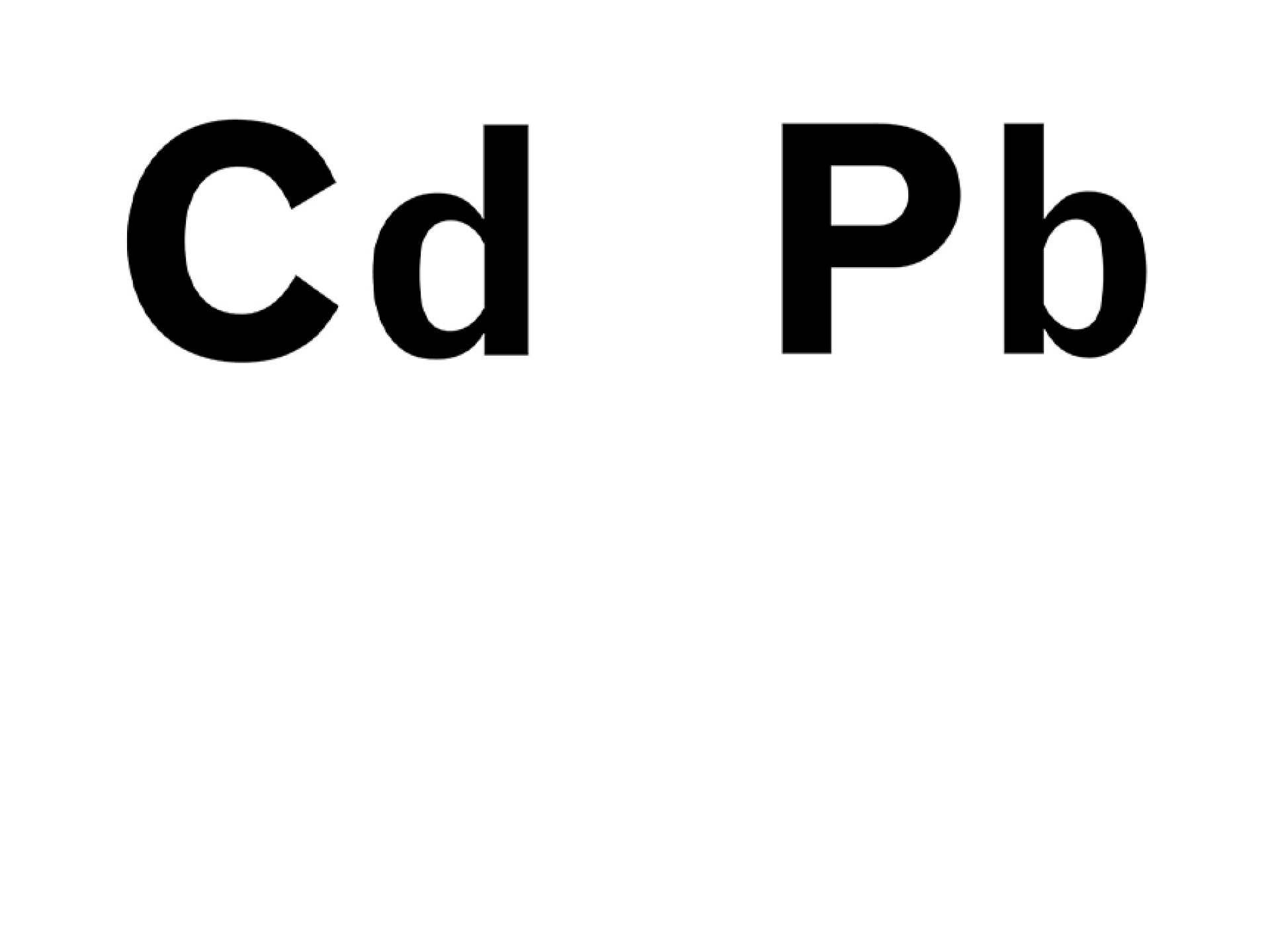
The chemical symbol for cadmium, ‘Cd’, indicates that a battery contains more than 0.002% cadmium, while the chemical symbol for lead, ‘Pb’, indicates a lead content of more than 0.004%. Both values indicate an exceedance of these specified limits. The symbols are often found below the crossed-out wheelie bin.
On packaging
For small batteries
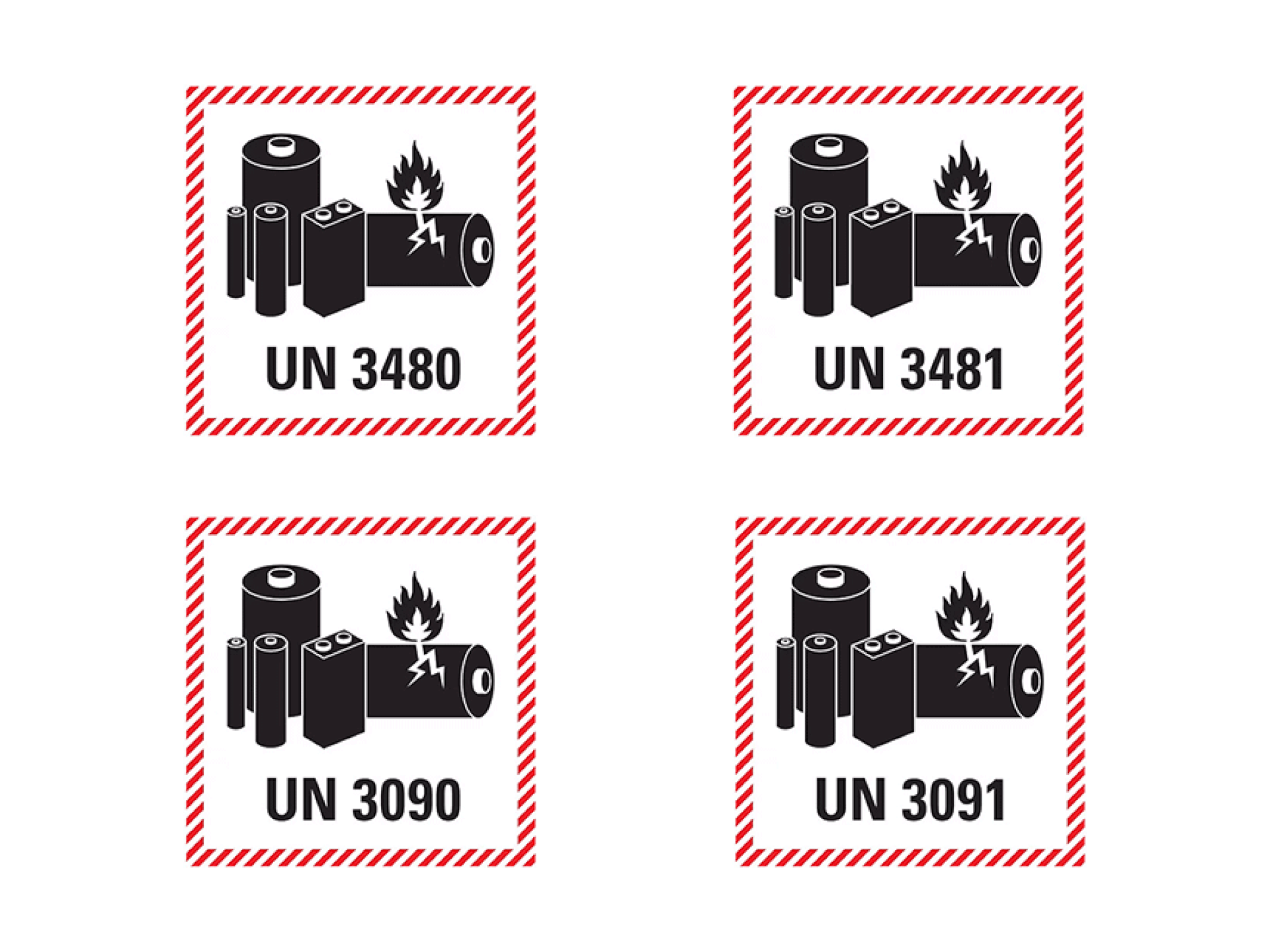
Lithium batteries – transport labels with UN number
UN 3480 LITHIUM-ION BATTERIES (including lithium-ion polymer batteries)
UN 3090 LITHIUM METAL BATTERIES (including lithium alloy batteries)
UN 3481 LITHIUM ION BATTERIES CONTAINED IN EQUIPMENT or PACKED WITH EQUIPMENT (including lithium ion polymer batteries)
UN 3091 LITHIUM METAL BATTERIES CONTAINED IN EQUIPMENT or PACKED WITH EQUIPMENT (including lithium alloy batteries)
Other batteries – UN numbers
UN 2794 – Lead acid batteries
UN 2795 – Nickel-cadmium batteries
UN 3496 – Nickel-metal hydride batteries
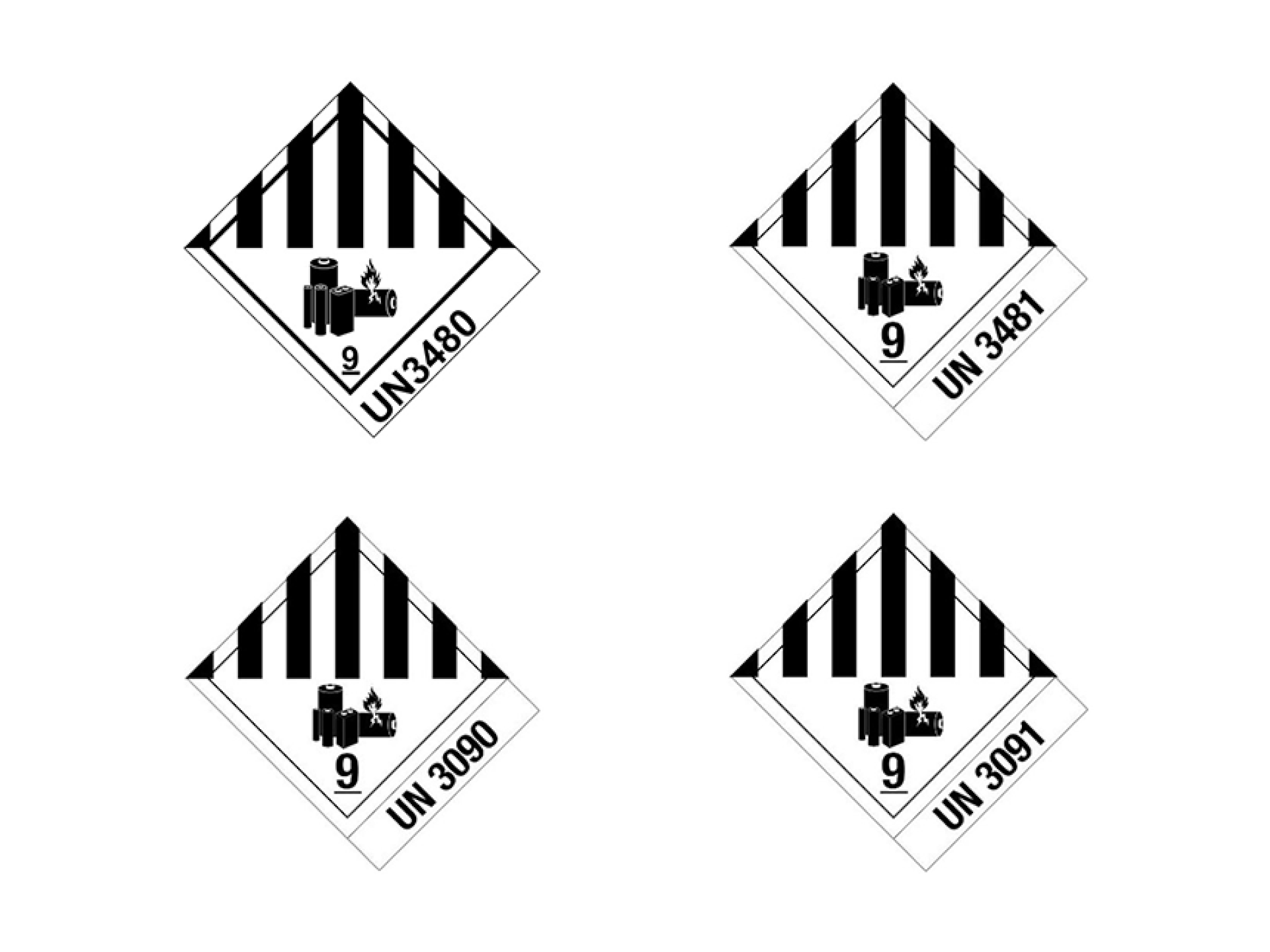
For large batteries (especially lithium, > 100 Wh)
labelling 9A with UN number
Note: The UN number can also be a separate label.
UN 3480 LITHIUM-ION BATTERIES (including lithium-ion polymer batteries)
UN 3090 LITHIUM METAL BATTERIES (including lithium alloy batteries)
UN 3481 LITHIUM ION BATTERIES CONTAINED IN EQUIPMENT or PACKED WITH EQUIPMENT (including lithium ion polymer batteries)
UN 3091 LITHIUM METAL BATTERIES PACKED WITH EQUIPMENT (including lithium alloy batteries)
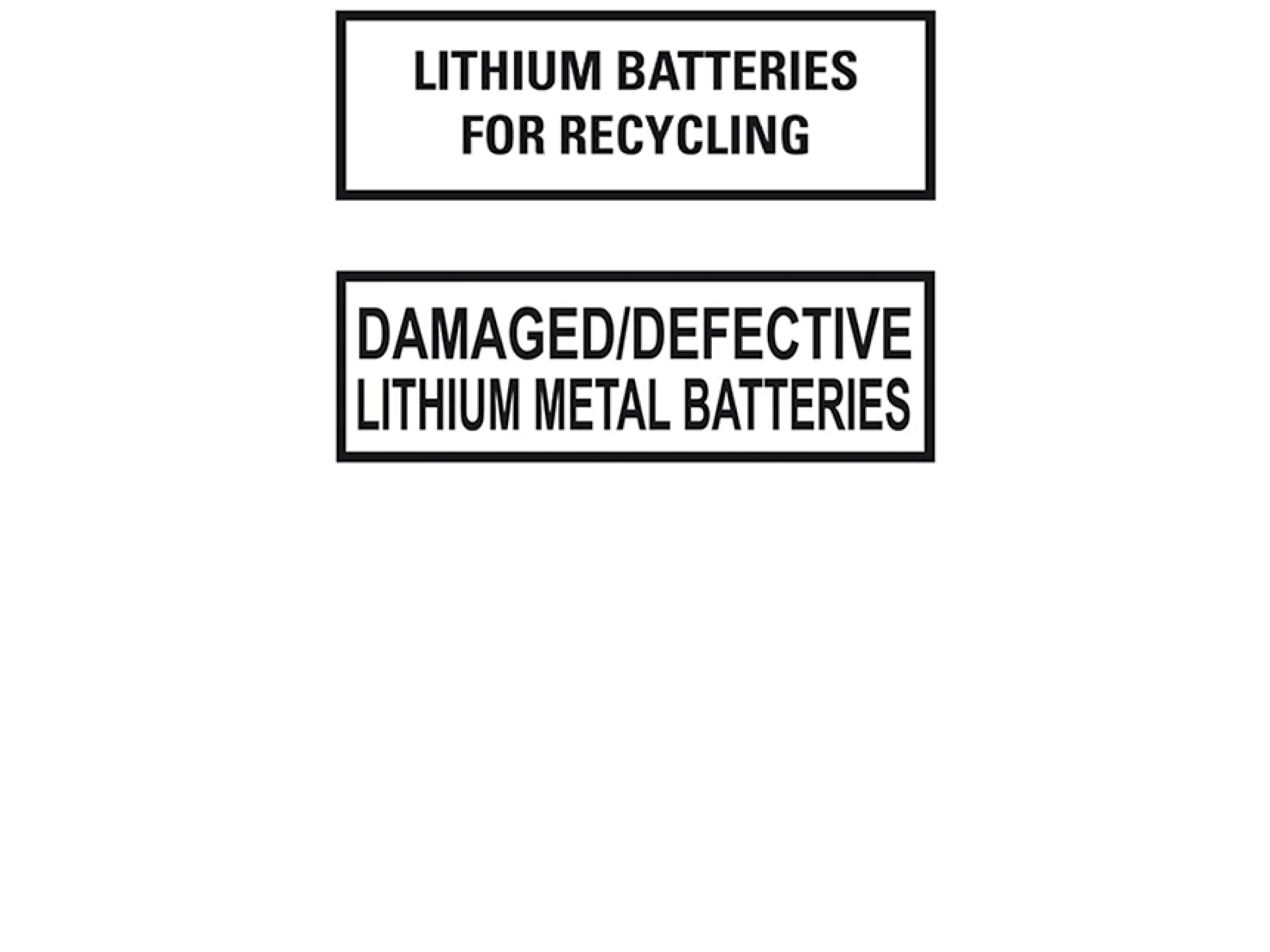
Additional special labelling for lithium batteries:
For lithium batteries to be recycled
For damaged/defective lithium batteries
Impact of batteries on human health and the environment
Batteries may contain toxic chemicals or metals that can contaminate the water supply and ecosystems.
Mechanical, thermal or electrical stress (e.g. impact, heat, cold, incorrect charging or short circuits) can damage the battery and lead to the following consequences:
Leaking corrosive liquids that can cause skin irritation, burns and chemical burns.
Increased risk of fire due to leaking combustible electrolytes.
Release of toxic substances or combustion products in the event of a fire.
Reactions with other materials, releasing combustible or toxic gases.
Protective measures and handling recommendations for end users
Batteries can be used safely in accordance with the manufacturer's recommendations.
General safety instructions for handling
Do not carry out any repair or maintenance work on batteries. Do not open or modify the battery.
Avoid contact of the battery terminals with hands, tools, jewellery or other conductive objects.
Do not expose batteries directly and permanently to high temperatures or liquids, as this can cause short circuits, electric shocks, burns and explosions. Store batteries in a cool and dry place.
Use only chargers approved by the manufacturer to avoid overcharging and excessive charging voltages.
Check batteries, as far as accessible, regularly for possible damage.
If there are signs of smoke, heat or odour development, unusual noises or deformation in the case of device batteries, disconnect the battery from the device immediately, provided that you can do so without endangering yourself, call the fire brigade and store the battery in a safe place (e.g. in a fireproof container or at a safe distance from flammable materials) and keep a safe distance from the battery.
If your vehicle battery emits smoke, heat or unusual odours, or unusual noises, or if a red warning light on the vehicle display indicates a critical battery defect, immediately park the vehicle in a safe place, switch it off, leave the vehicle and contact the breakdown service or the fire brigade immediately. Keep a safe distance from the vehicle and do not attempt to work on the battery yourself.
Dispose of defective batteries immediately and properly.
Larger lithium batteries may only be handled by authorised and trained personnel in accordance with the operating instructions and the manufacturer's safety data sheet.
Emergency measures
Spilled liquid
Avoid contact with spilled liquid.
Protect your skin, wipe up the liquid with a dry and absorbent textile or use another absorbent material such as dry sand, vermiculite, sawdust or special binders. Dispose of the absorbed material separately from other waste in accordance with national regulations and the manufacturer's recommendations.
Do not allow liquid to enter soil or waterways.
In case of fire, smoke, heat or hazardous condition of the battery
Call the fire department.
Immediately leave the area and inform others.
To extinguish a fire involving lead-acid batteries, use a dry chemical, water spray, or foam. If lithium batteries are involved, use a dry chemical, CO2, water spray, or foam. In either case, do not use a solid water stream.
In the event of an accident / first aid
In the event of eye injuries caused by battery electrolyte or acid, immediately rinse the eyes thoroughly with water for at least 15 minutes and seek medical attention immediately.
In the event of skin contact, thoroughly clean the affected area with plenty of water and soap.